
Developing a service model for Wizzybug that balanced the needs of families with the needs of the charity.
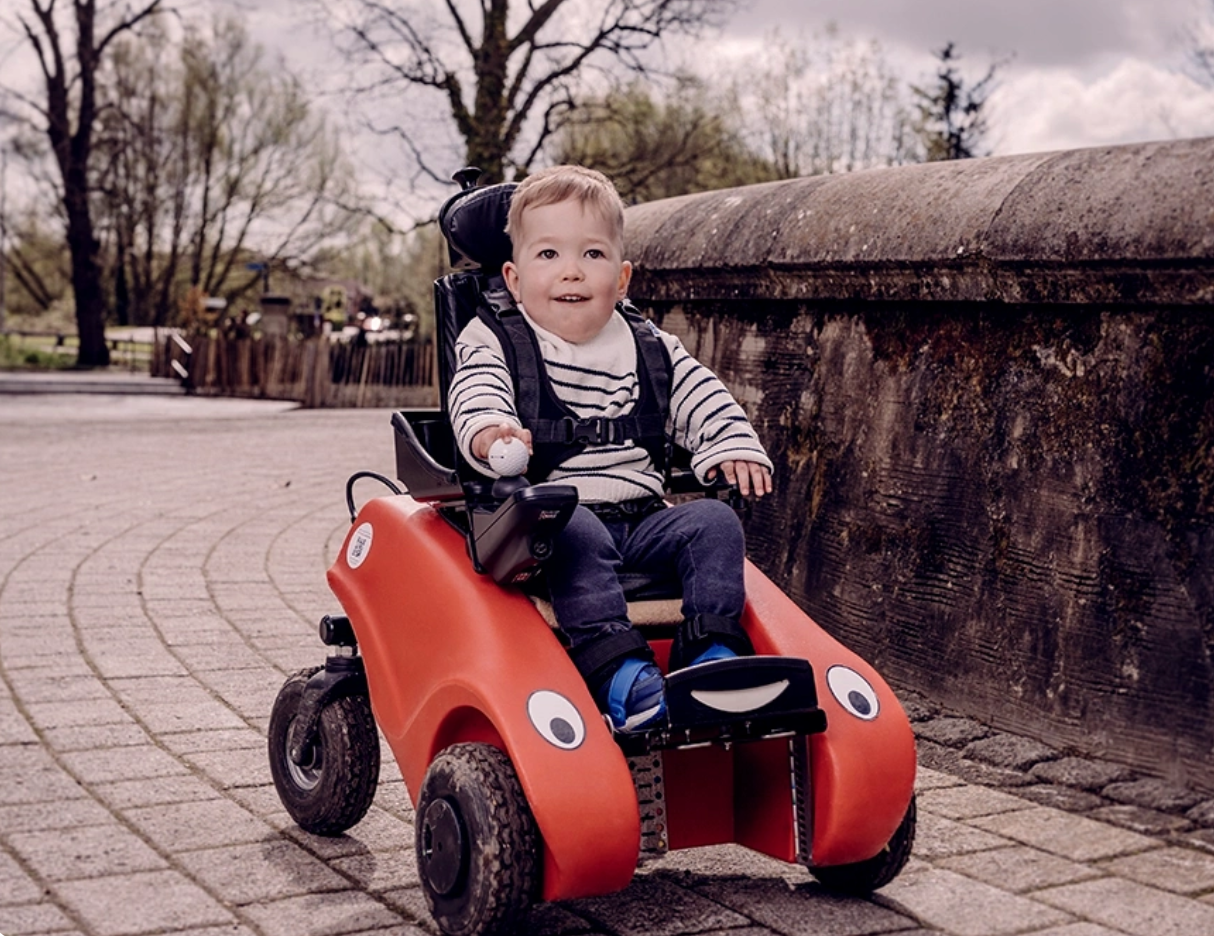
Designability runs a wheelchair loan scheme where they provide families with a Wizzybug to help their child be more independent. The charity was looking to review the service model for the loan scheme and wanted to feed in multiple perspectives including legal, clinical, financial and user experience.
Researching with families.
Starting with the needs of the families, we ran remote research interviews with parents who were users of the loan scheme, having received a Wizzybug for their child. These sessions were focused on the parents' experience of the loan scheme as a service, rather than the Wizzbug as a product. We walked through every stage of the service from awareness to returning the Wizzybug (if this was applicable) and they shared their experiences including what worked well and what could be improved and why. The insight from these interviews was then distilled down into a set of user needs that the team could assess future service model options against.
Testing approaches to using clinical time.
A key part of the service model redesign was exploring how specialist clinical time could be best used. During this project the clinical team ran a trial where they explored undertaking assessments via video calls and sending the Wizzybug out to peoples homes. This trial helped assess the viability of reducing in-person clinical time while testing a new clinical review framework in a live service setting. While this work was undertaken by Designability’s internal clinical team, the results fed into this project.
Balancing user needs with organisational feasibility.
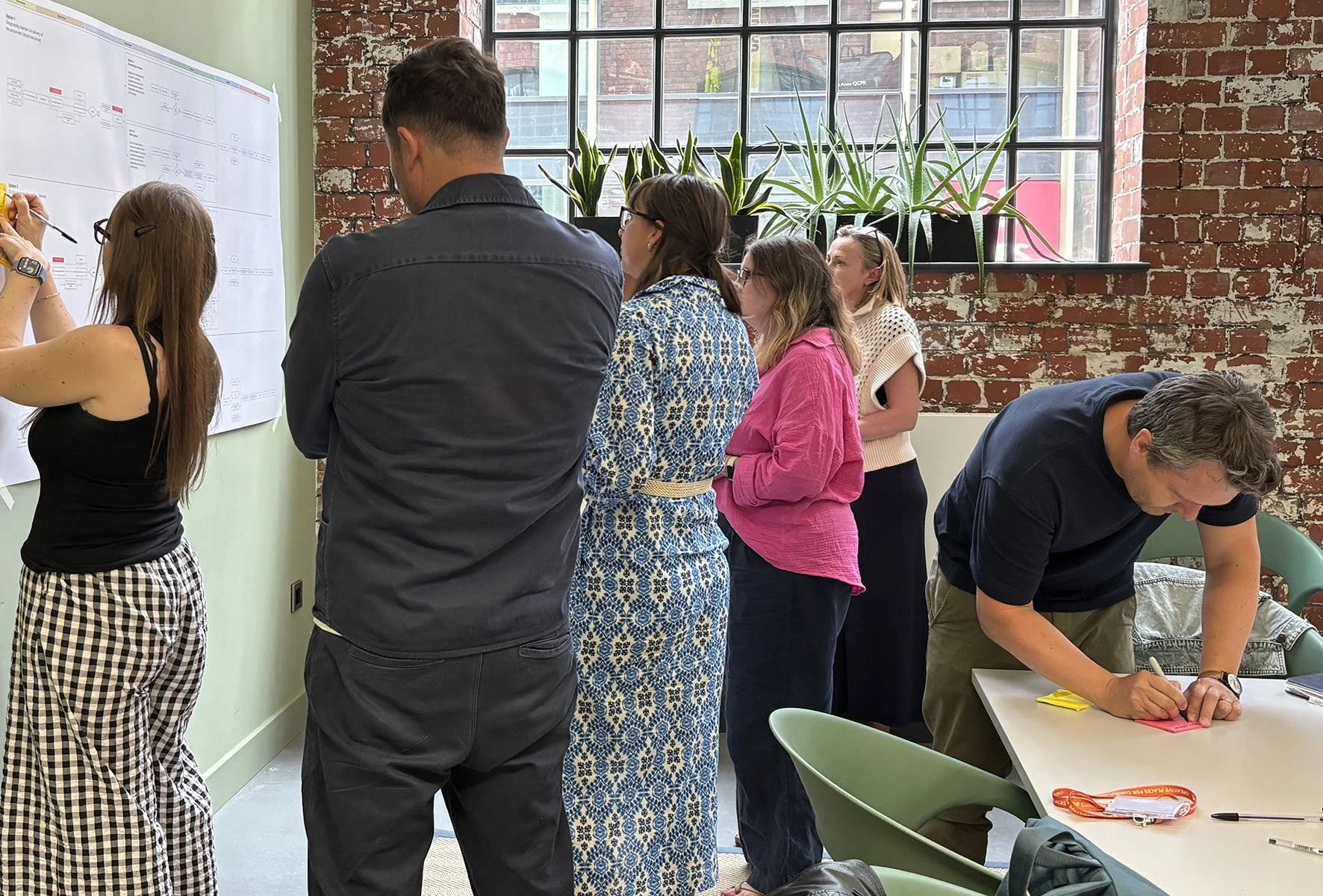
A big part of Joy’s involvement in this work was bringing all the different strands of the work together; legal, financial, partnership working, clinical and user experience. We ran a day-long, full team workshop where we reviewed different service model options and debated the trade offs that would be required if the charity progressed any of the proposed options. We then worked together to flesh out the details of how they would work in practice.
Mapping the options.
Following the workshop we drew up service maps, both high level and detailed versions, of the two viable options that the team could move forward with. These maps were then used by the operational team to develop the further detail of the process design together while the high level maps were used to sell in the direction of travel to the board.
“Emma worked with us over several months to bring together multiple strands of data, research and evidence to help us better understand the Wizzybug service. Her work helped bring objectivity, structure and accountability to a complex piece of work that ultimately gave us reassurance about the quality of the existing service and direction for future innovation.”
Designability Client